
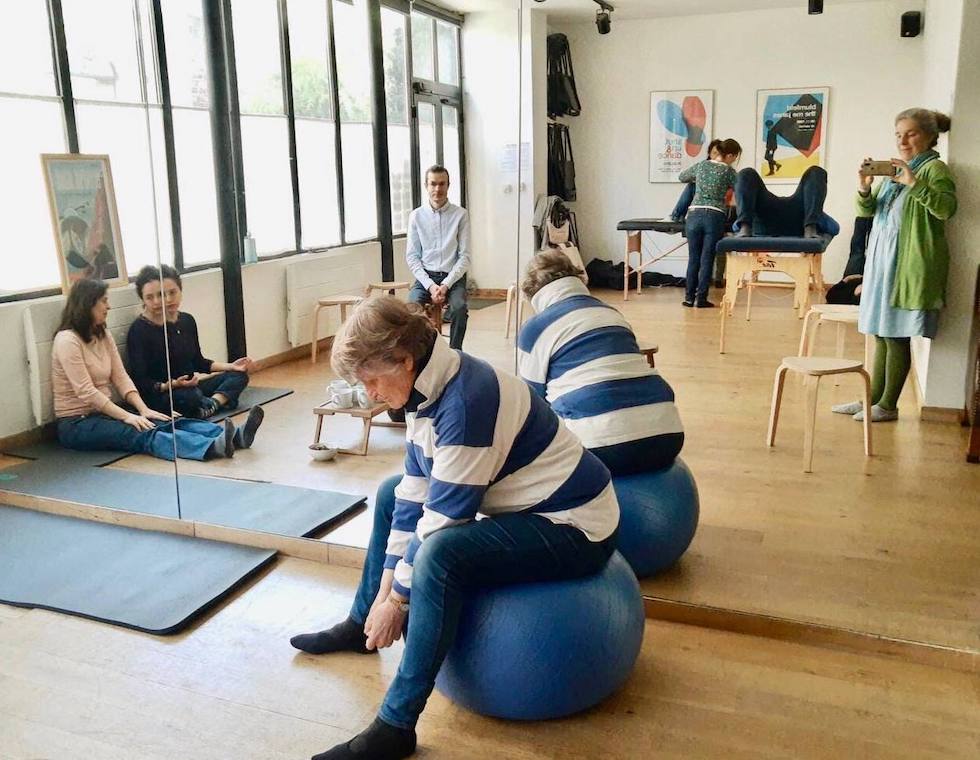
“A Glimpse Behind the Scenes”: Our colleague Meike Strohbach had the opportunity to gain new insights into working with the Alexander Technique and expand her skills at the Pôle de Technique Alexander in Paris. Here are her impressions:
Introduction / Background
In February and March 2026, I had the opportunity to participate in a job shadowing program at the Pôle de Technique Alexander in Paris, a training institute for the Alexander Technique. I was warmly welcomed there and quickly integrated into the classes.
The training was characterized by a collaborative and vibrant learning culture. Students were actively involved in teaching and organizational tasks and visibly helped shape the school’s daily routine.
Classroom Activities
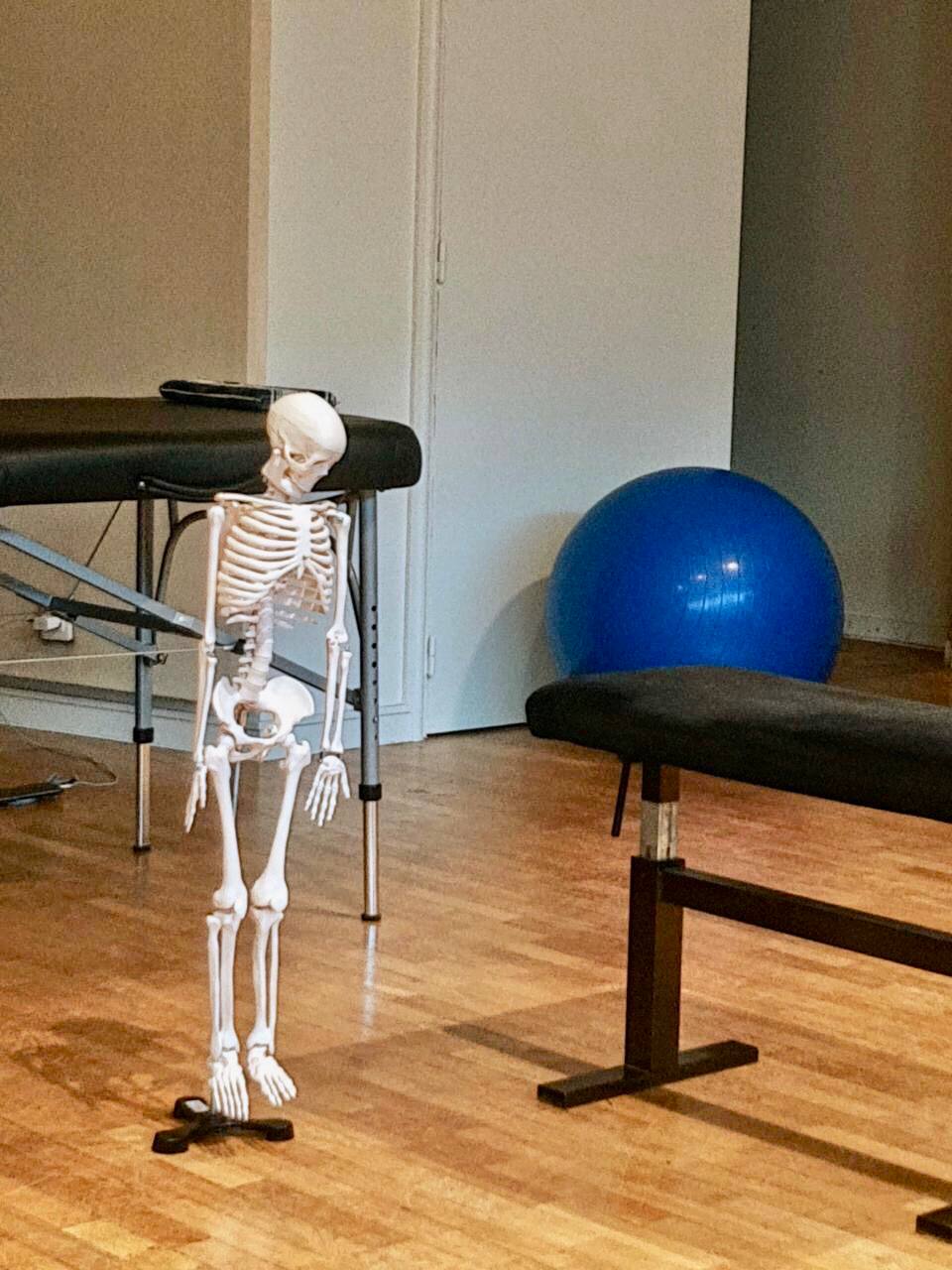
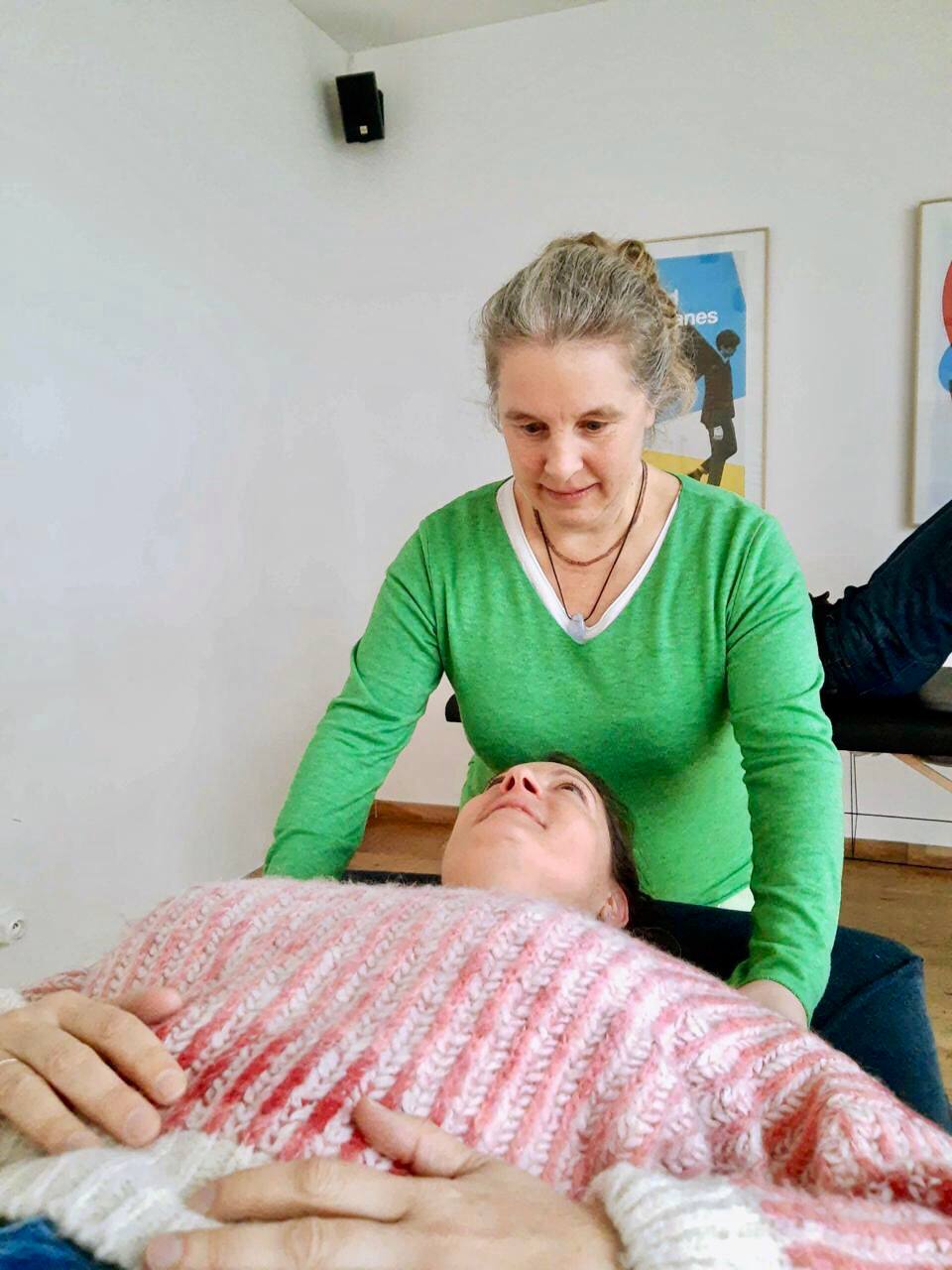
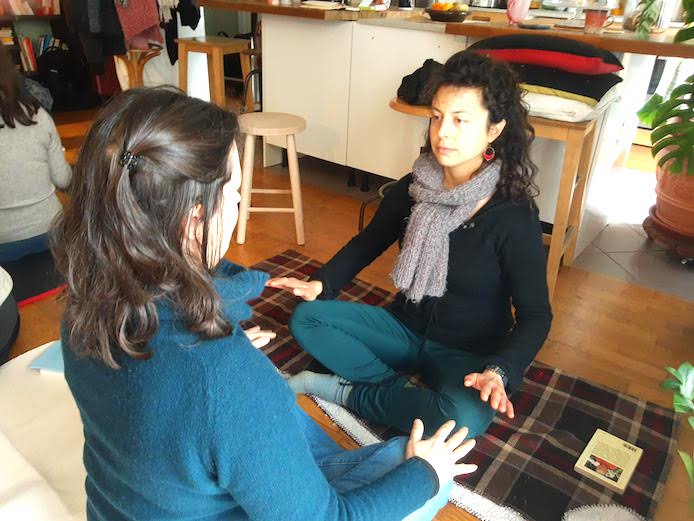
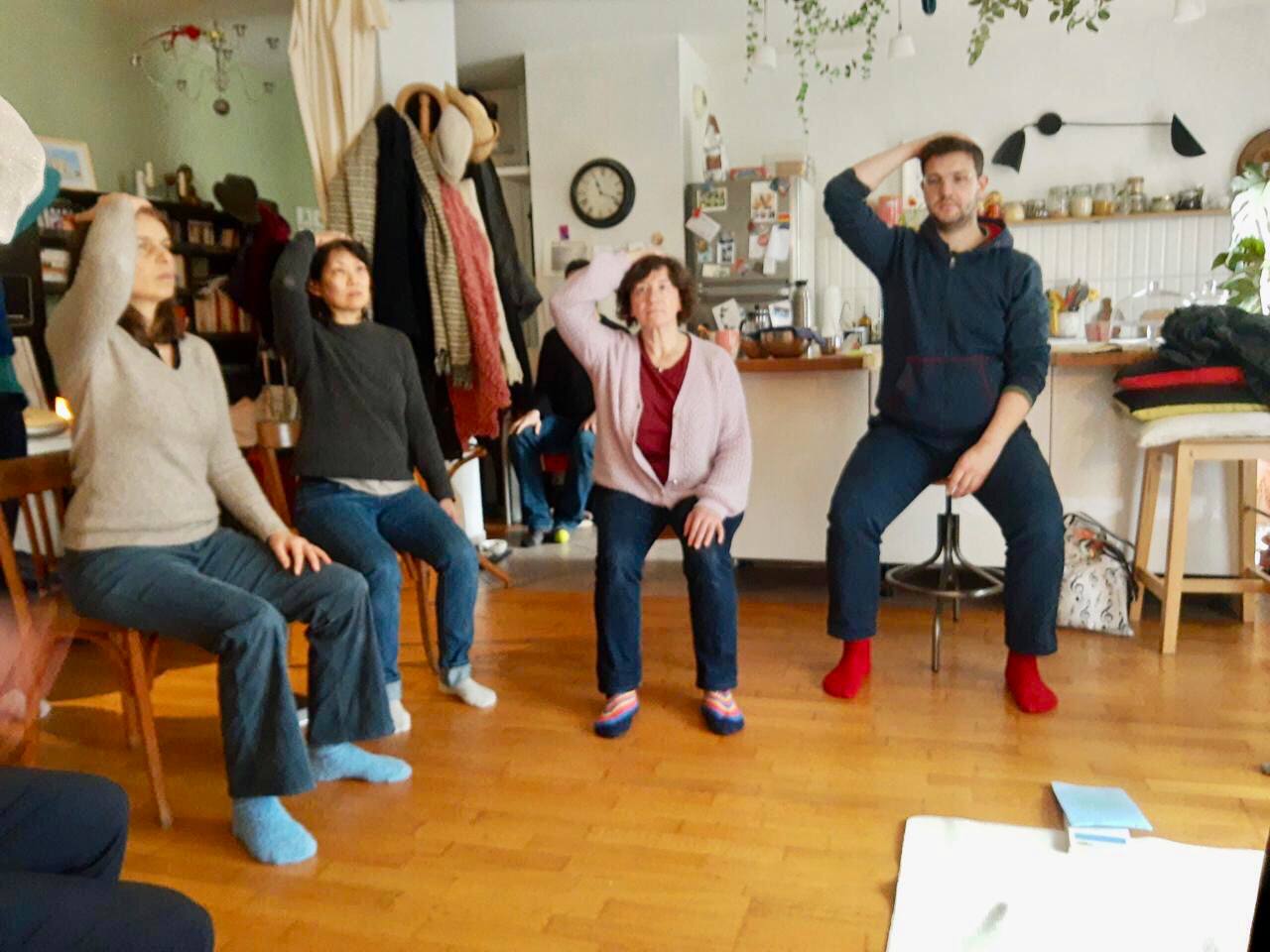
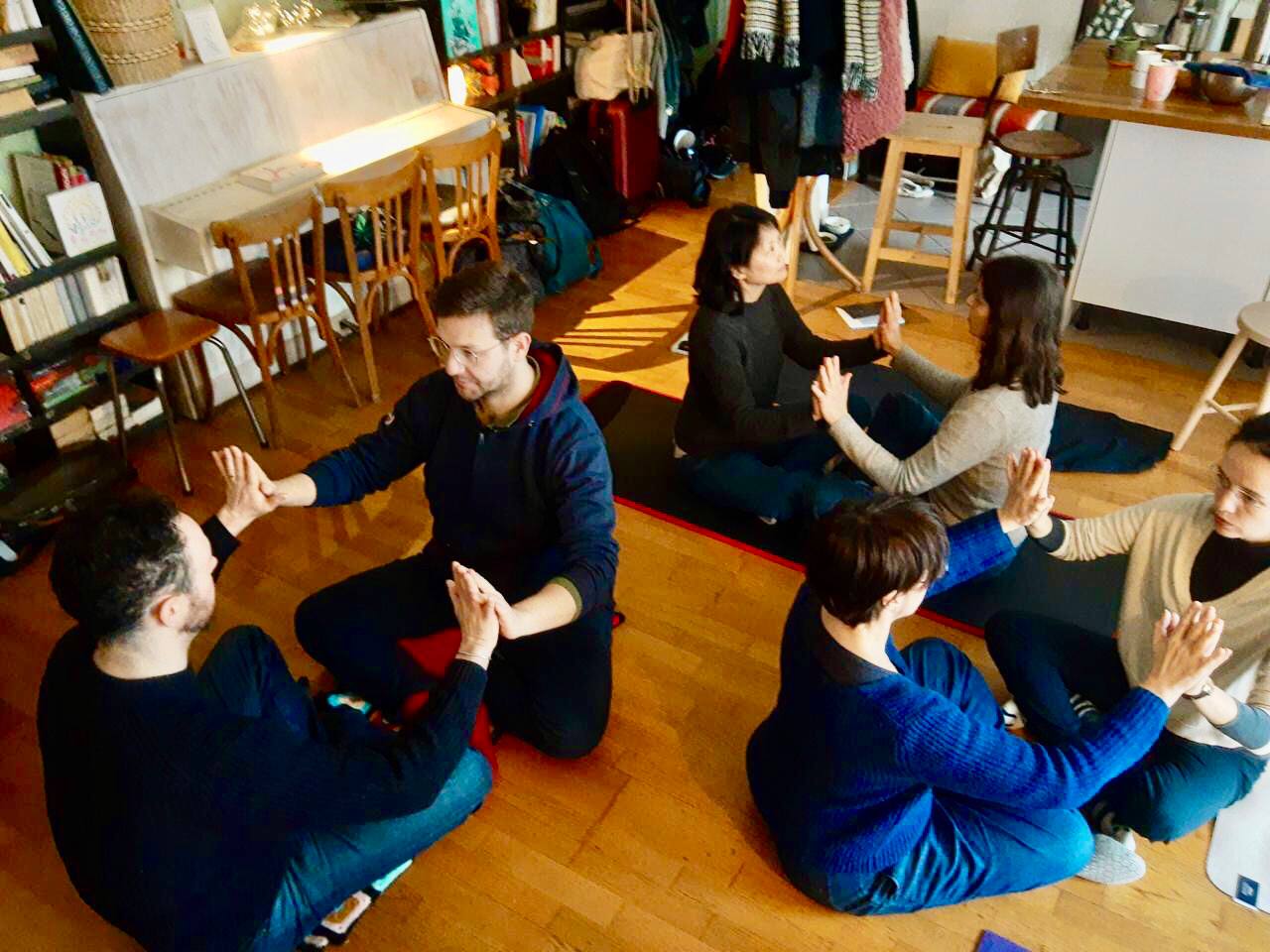
The classes were led alternately by the two directors. After a joint orientation session while seated, students engaged in individual and pair work, which was then continued in group settings. During breaks, theoretical approaches were discussed, and students read and discussed literature.
I was actively involved in these processes and initially observed individual and group sessions before working directly with the students myself. In doing so, I provided situational support and responded to what was unfolding in the moment. In this way, the lessons evolved through direct interaction with the learners. Over time, I also found it increasingly easier to provide guidance in French.
I understood this diversity as different ways of facilitating learning processes, each with varying effects depending on the person and situation. The physically structuring approach in particular inspired me to complement my own teaching style, as it instills greater confidence in the learners.
Spatial Awareness and Working Practice
A central element of my work was spatial awareness. Through three-dimensional perception of the space, posture, balance, and movement often changed without direct correction. Understanding this as a higher-order form of pausing made it easier for the school’s students to act while in motion.
In addition, this work has provided a calm, stabilizing foundation for many situations—both in individual sessions and in group processes. During the intensive days, my group guidance on spatial awareness transitioned into a partner dance led by the directors.
Voice and Body Organisation
I have combined voice and breathing exercises with body organization and used my own vocalizations to support group processes and focus attention.
In doing so, it became clear that the voice can not only sound clearer, but can also create a sense of connection within the space. After a guided lying-down exercise, for example, I heard an opera singer say in amazement: “Oh, I’m being sung—I don’t have to do much at all.”
Musical Contexts
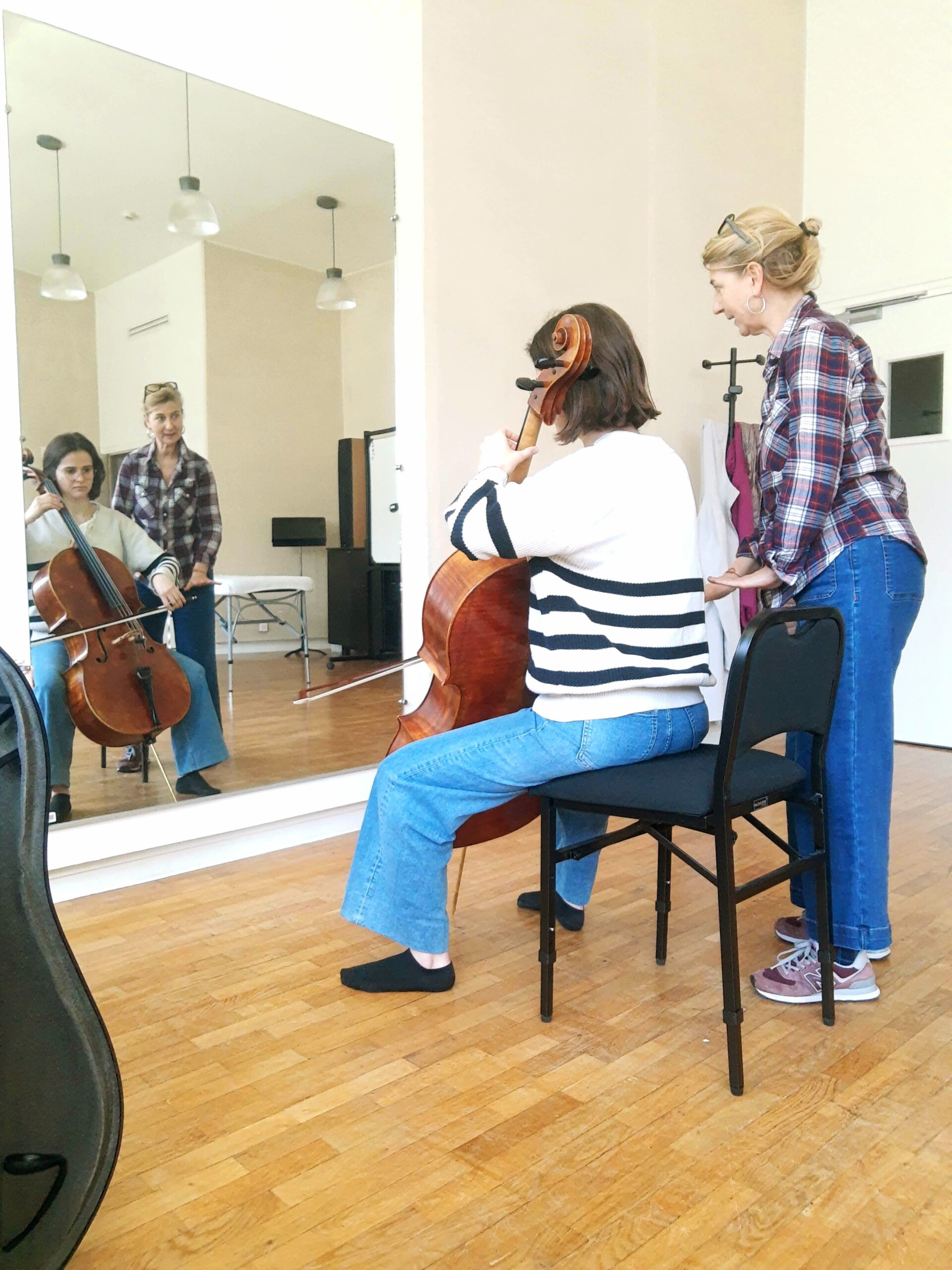
At the Conservatoire National de Paris (CNSMDP), the connection between body organization and musical expression became directly tangible. Small changes in balance or attention had an immediate effect on sound and playing style. Here, the complementary teaching inspired me because, as instructors, we adopted new perspectives while also imparting to the students a deeper understanding of moving while making music or of physical considerations.
I gained further insights at the Philharmonie de Paris and at the Institut Chant Harmoniques, where body, voice, and musical practice interacted in various ways. At the Philharmonie, the use of gestures was important for choral choreography, while at Chant Harmoniques, a specific movement pattern was taught for singing.
Cultural Context
In my daily life in Paris, I found that personal interaction often takes precedence over the mere exchange of information.
Even simple situations—such as asking for directions or making brief arrangements in public spaces—demonstrated how engaging the French are in their communication. They ask questions and provide explanations to ensure that their meaning is truly understood.
Similarly, interactions at school were warm and personal, and meetings within institutions were marked by curiosity and genuine interest. When there were private gatherings, it was a given to include everyone, even if people hadn’t met before.
Transfer
What I take away from this experience is how much an open learning atmosphere supports group work. I was inspired by co-teaching, where different perspectives gave rise to new approaches.
I also learned to guide group processes in the Alexander Technique with flexibility and to adapt my teaching methods to the situation. In particular, working without physical contact was central to this and opened up new approaches to group facilitation.
I’m taking with me a more targeted use of voice, movement, and spatial awareness in my group work—for example, through simple instructions, humming and vocalizing, or the use of everyday objects like balls or rollers to make physical experience immediately accessible.
I see this as an expanded methodological field, particularly in working with various vulnerable groups.
Conclusion
The residency deepened my perspective on teaching and on physical-musical and vocal practice. What was particularly important to me was the experience that learning arises in a shared moment—in the interplay of people, attention, and movement.
The job shadowing was a wonderful opportunity for me to further develop my skills and repertoire of methods. I look forward to applying what I’ve learned in future projects of weltgewandt e.V.
The job shadowing was part of the “KOSMO_POLIS – Internationalisation and CivicEducation in the Neighborhood” project, funded through the Erasmus+ programme.
Disclaimer of the European Commission: Funded by the European Union. Views and opinions expressed are however those of the author(s) only and do not necessarily reflect those of the European Union or the European Education and Culture Executive Agency (EACEA). Neither the European Union nor EACEA can be held responsible for them.